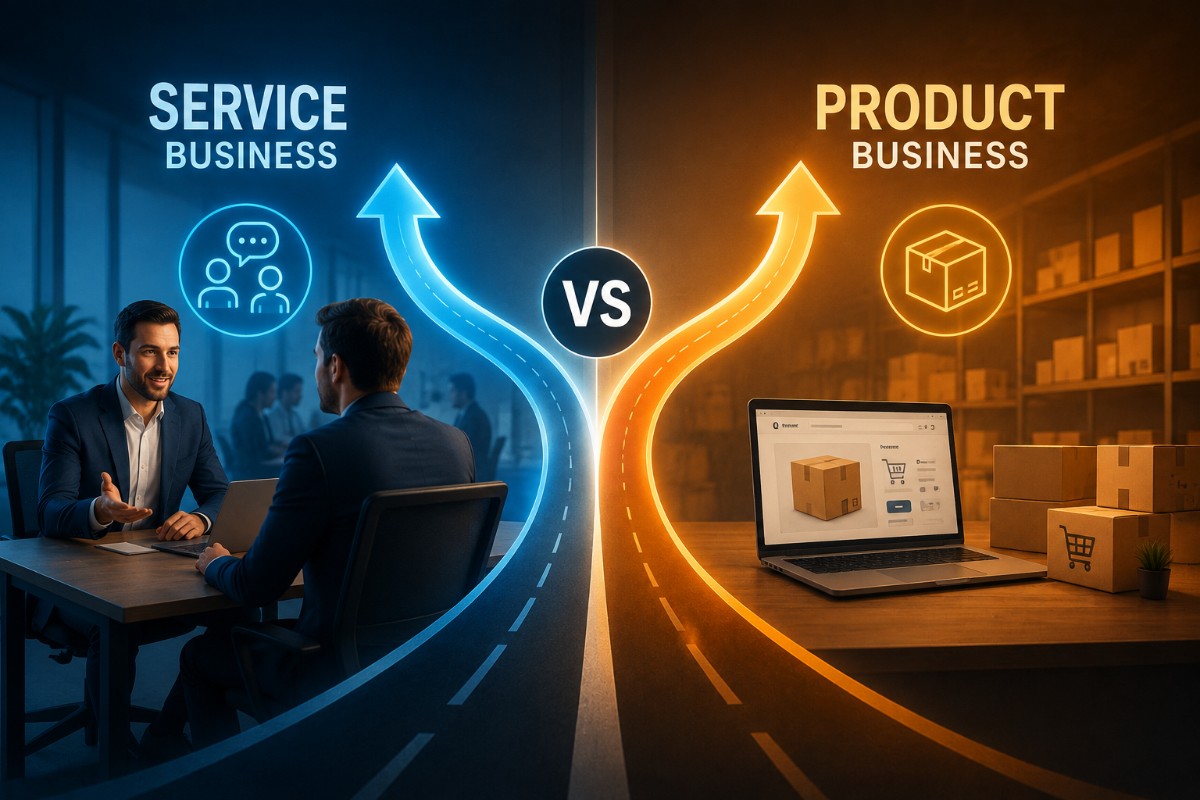

For years, entrepreneurship has been associated with launching the next big tech startup. Founders have chased venture capital, built software products, and hoped to create the next unicorn company. While that dream still attracts many entrepreneurs, a growing number are taking a different path. Instead of building apps, they are buying profitable local businesses that provide essential services.
This shift has fueled the popularity of boring businesses—companies that may not sound glamorous but generate reliable income year after year. Laundromats, car washes, self-storage facilities, plumbing companies, and cleaning services are becoming some of the most desirable investments. The anti-tech-startup movement proves that building wealth doesn’t always require cutting-edge technology. Sometimes, the smartest investment is to buy a laundromat or another established local business with proven cash flow.
What Are Boring Businesses?
A boring business is exactly what it sounds like—a company that performs everyday services people always need. These businesses rarely make headlines, but they solve real problems and often produce steady profits.
Some popular boring business ideas include:
- Laundromats
- Car washes
- Self-storage facilities
- HVAC companies
- Plumbing businesses
- Roofing contractors
- Cleaning services
- Pest control companies
- Landscaping businesses
- Vending machine routes
Unlike startups that spend years searching for customers, these businesses already have an established client base and recurring revenue.
Why Entrepreneurs Are Choosing Existing Businesses
Starting a tech company is expensive and risky. Entrepreneurs often spend months or years developing products, hiring teams, and raising investment before earning meaningful revenue. Many startups never reach profitability.
Buying an existing business offers a completely different approach. Instead of starting from zero, buyers acquire businesses with existing customers, trained employees, operational systems, and consistent income. This allows entrepreneurs to focus on improving the business rather than proving the concept.
For many investors, purchasing an established business is less risky than launching a brand-new startup.
Why So Many People Want to Buy a Laundromat
Laundromats have become one of the most popular choices among business buyers for several reasons.
First, laundry is an essential service. Regardless of economic conditions, people need clean clothes, creating consistent demand throughout the year.
Second, laundromats often generate multiple income streams. Besides washers and dryers, many owners increase revenue through wash-and-fold services, vending machines, detergent sales, pickup and delivery services, and commercial laundry contracts.
Another advantage is relatively simple operations. Compared with restaurants or retail stores, laundromats generally require fewer employees and have more predictable daily operations.
Many buyers also modernize older laundromats by installing energy-efficient machines, introducing cashless payment systems, improving customer experience, and investing in local marketing. These upgrades can significantly increase profitability.
The Rise of the Sweaty Startup
The term sweaty startup has become increasingly popular among entrepreneurs who believe solving real-world problems is more valuable than building another software application.
Sweaty startups focus on service businesses that require operational excellence rather than groundbreaking technology. Examples include pressure washing, junk removal, moving companies, landscaping, commercial cleaning, painting, window cleaning, and home maintenance.
Although these businesses aren’t flashy, they often produce strong cash flow much sooner than many venture-backed startups.
Why Boring Businesses Are Trending
Several factors explain why boring businesses are attracting so much attention today.
They provide predictable revenue because customers need their services regularly. Banks are also more willing to finance profitable existing businesses than risky startups with uncertain futures.
Many local businesses are owned by entrepreneurs approaching retirement, creating acquisition opportunities for younger buyers. In addition, countless small businesses have outdated websites, weak digital marketing, and inefficient systems. New owners can often increase profits simply by modernizing operations and improving customer service.
This combination of stable income and growth potential makes boring businesses attractive investments.
Learn From Entrepreneurs Who Popularized This Strategy
The massive surge in business acquisitions has been driven by transparent creators sharing real-world breakdowns on video. Instead of building risky tech startups from scratch, these founders focus on buying or building proven, cash-flowing companies in local communities.
Codie Sanchez: If you want to watch the investment frameworks behind buying cash-flowing, read Codie Sanchez explain how she made millions buying boring businesses. She details the blueprint for acquiring businesses like laundromats and car washes using creative deal structures.
Nick Huber: You can also watch Nick Huber map out how he built his multi-million dollar empire. He breaks down how he scaled a simple college student storage hustle into massive self-storage facilities and service companies, advocating for low-risk “sweaty startups”.
Is Buying a Boring Business Right for You?
While buying an existing business can reduce some of the risks associated with startups, every acquisition requires careful research.
Before purchasing any business, review its financial records, customer base, lease agreements, equipment condition, operating expenses, local competition, and future growth opportunities. Conducting thorough due diligence helps ensure you’re making a sound investment.
Final Thoughts
The rise of boring businesses marks a significant change in modern entrepreneurship. Rather than chasing the next billion-dollar app, many investors are focusing on businesses that generate reliable cash flow and serve everyday customer needs.
Whether you decide to buy a laundromat, invest in a plumbing company, or explore other boring business ideas, the goal remains the same: own a profitable business with steady demand and long-term growth potential.
As the sweaty startup movement continues to grow, one thing is becoming clear—sometimes the least exciting businesses can produce the most exciting financial results.
For more deep-dive founder guides, business ideas, and growth frameworks, feel free to explore the rest of our site.