Not long ago, companies spent most of their marketing budgets promoting products, services, and corporate brands. Today, a major shift is taking place. Consumers are increasingly paying attention to the people behind businesses rather than the businesses themselves. As a result, founders are investing heavily in personal branding and audience building.
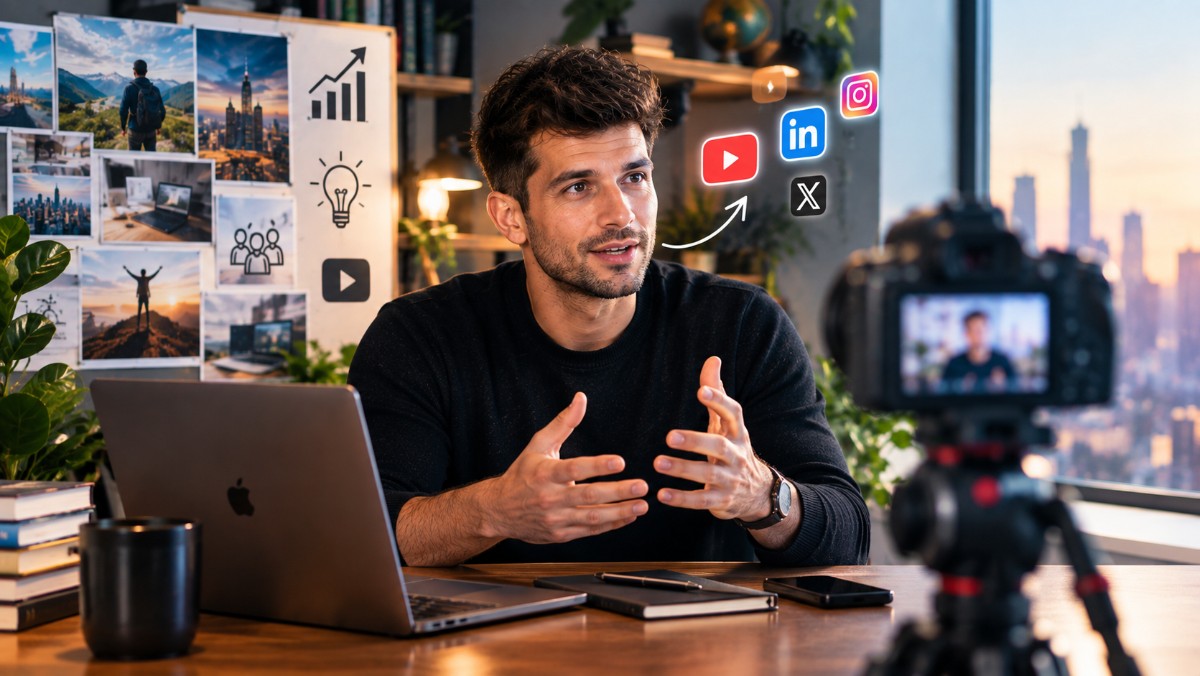
This change has created one of the biggest personal branding trends of the modern business era: entrepreneurs are becoming media companies.
Instead of waiting until a product launches, many founders are building communities, creating content, and establishing trust long before they ask customers to buy anything. This strategy is transforming how businesses grow and how entrepreneurs create opportunities.
For modern founders, a strong entrepreneur personal brand can be just as valuable as the product itself.
Why People Trust People More Than Companies
Consumers are exposed to thousands of advertisements every day.
As traditional marketing becomes easier to ignore, people increasingly seek authentic voices they can trust.
A founder who regularly shares ideas, lessons, and experiences often develops stronger credibility than a corporate logo ever could.
This shift explains why founder-led brands have become so powerful.
People want to know:
- Who created the product?
- What do they believe?
- What is their story?
- Why should they be trusted?
A strong personal brand answers these questions and helps build meaningful connections with audiences.
The Rise of Founder Branding
One of the fastest-growing personal branding trends is founder branding.
Instead of hiding behind a company name, entrepreneurs are stepping into the spotlight.
They share:
- Business lessons
- Industry insights
- Personal experiences
- Success stories
- Failures and challenges
This transparency creates trust and helps audiences feel connected to the founder’s journey.
As a result, many businesses gain customers before spending heavily on advertising.
The founder becomes a marketing channel.
Gary Vee and the Media Company Mindset
Few entrepreneurs have promoted personal branding more effectively than Gary Vee.
For years, he has encouraged entrepreneurs to document their journeys, create content consistently, and build direct relationships with audiences.
Read our profile Gary Vee.
One of Gary Vee’s most influential ideas is that every entrepreneur should think like a media company.
Rather than focusing only on products, founders should focus on producing valuable content that attracts attention and builds trust.
This mindset has become increasingly important in the digital age.
Audiences Before Products
Historically, entrepreneurs built products first and searched for customers later.
Today, many successful founders reverse that process.
They build audiences first.
Once trust exists, launching products becomes significantly easier.
Benefits of audience-first entrepreneurship include:
- Lower customer acquisition costs
- Faster product validation
- Stronger customer loyalty
- Immediate feedback
- Greater brand awareness
When founders already have engaged communities, they can launch products to people who already know, like, and trust them.
This reduces many of the challenges traditionally associated with startup growth.
Alex Hormozi’s Audience-Building Strategy
Entrepreneur Alex Hormozi has become a powerful example of modern founder branding.
Through educational content focused on business growth, marketing, and entrepreneurship, he built a large audience before launching many of his current ventures.
Read our profile Alex Hormozi.
His success demonstrates how sharing valuable information can create enormous business opportunities.
Rather than relying solely on paid advertising, Hormozi uses content to attract attention and build credibility.
The audience becomes a long-term business asset.
Content Is the New Distribution Channel
In today’s business environment, content often serves as the primary distribution channel.
Entrepreneurs use:
- Podcasts
- Newsletters
- YouTube channels
- LinkedIn posts
- Social media content
These platforms allow founders to reach millions of people without traditional media companies acting as gatekeepers.
As a result, entrepreneurs can build influence and attract opportunities on a global scale.
The ability to communicate directly with an audience has become one of the most valuable assets a founder can own.
Patrick Bet-David and Authority Building
Another entrepreneur who has successfully leveraged founder branding is Patrick Bet-David.
Through educational content, interviews, and business discussions, he built a powerful media presence alongside his entrepreneurial ventures.
Read our profile Patrick Bet-David.
His strategy highlights an important lesson:
Authority creates opportunity.
When entrepreneurs consistently share valuable insights, they become trusted voices within their industries.
That trust often leads to business growth, partnerships, and new ventures.
Why Personal Branding Will Matter Even More in the Future
Several factors suggest that founder branding will continue growing in importance.
Increased Competition
More businesses compete for consumer attention than ever before.
AI and Automation
Human stories and authentic experiences become more valuable as technology advances.
Community-Driven Commerce
People increasingly buy from creators, founders, and trusted experts.
Direct Communication
Entrepreneurs can connect with audiences without relying on traditional media.
These trends make personal branding one of the most important long-term investments founders can make.
Building an Entrepreneur Personal Brand
Entrepreneurs interested in building a personal brand should focus on:
- Sharing expertise consistently
- Providing value before asking for anything
- Documenting experiences honestly
- Building relationships with audiences
- Staying authentic
The goal is not simply gaining followers.
The goal is earning trust.
Trust is ultimately what drives business opportunities and long-term success.
Conclusion
The future of entrepreneurship is increasingly connected to personal branding trends. Founders are no longer just building products and companies—they are building audiences, communities, and media platforms.
Entrepreneurs like Gary Vee, Alex Hormozi, and Patrick Bet-David have demonstrated the power of creating content, sharing knowledge, and developing direct relationships with audiences. Their success shows why entrepreneur personal brand development has become a critical business strategy.
As technology continues to evolve and competition increases, founders who build trust and attention before launching products will have a significant advantage. In the modern business world, becoming a media company may be one of the smartest moves an entrepreneur can make.
Explore more entrepreneur profiles, branding insights, and business success stories by visiting the Incredible People homepage.